

The question isn’t if we use solar, it’s where.
Solar energy can be part of the solution—when it’s sited responsibly.
Solar is best on industrial areas, existing rooftops, and structures like parking lots where it can generate clean power without harming or compromising our land, water, or community.
What should be considered?
-
Disturbing highly erodible soils increases runoff and sediment loss—impacting not just this land, but waterways that feed the Chesapeake Bay.
-
Poor siting can alter drainage and increase stormwater velocity—threatening streams, wells, and drinking water, especially in karst and shallow groundwater areas.
-
Once disturbed, soil structure and drainage can be altered for decades—turning productive land into something fundamentally diminished.
-
When damaged, degraded, or at the end of their life, solar panels have been found to leach heavy metals—including cadmium and lead—into the soil and water.
-
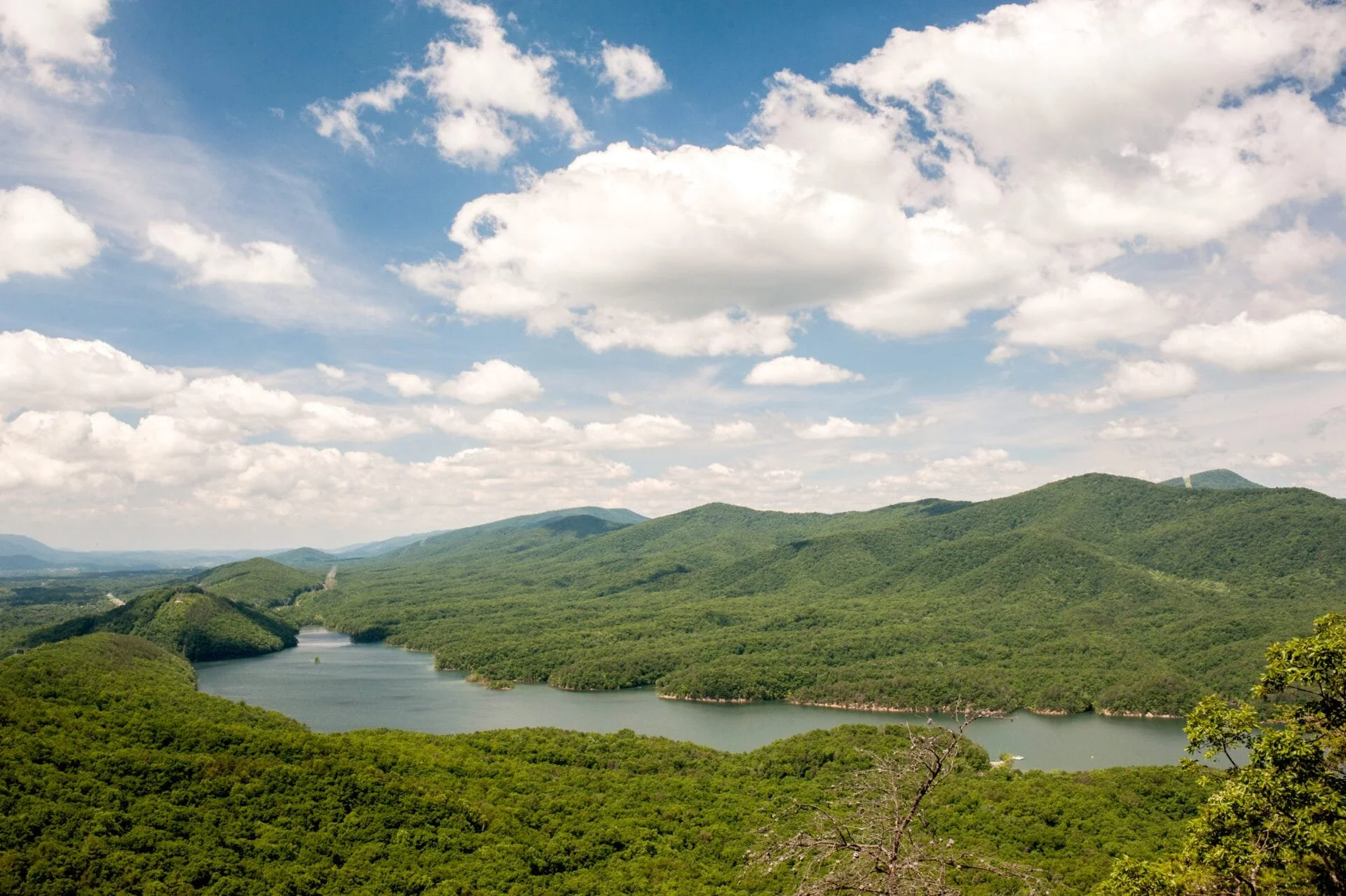
Our farmland, ridgelines, and mountain views define this place.
Once they’re industrialized, they don’t come back.